Going Veg
EVEN
Non-violence
Compassion
Sustainability
All Life is
Interconnected
Eugene Veg Education Network (EVEN) - serving as a vegan resource since 2005
Veg Spotlight
Vegan Dining Worldwide —
Happy Cow's purpose is to make healthy food easy to find and more accessible.
HappyCow was founded in 1999 as a public service to assist travelers and people everywhere find plant-based / vegan options and healthy food.
We are vegan-run, from a vegan perspective, and staffed by vegans and vegetarians. Today, our online community has grown to include members from around the world who are passionate about the vegan lifestyle as a healthy, compassionate, and environmentally sustainable way of living.
Veg Spotlight
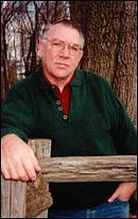
Let me suggest that if you don't want to know where something comes from, maybe you shouldn't be putting it in your mouth. - Howard Lyman
Read EVEN's exclusive interview with Howard Here.
Edu-Stat
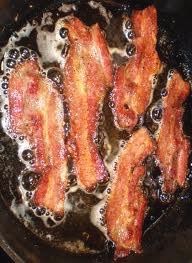
In 2015, the World Health Organization announced that regularly eating processed meats can cause cancer, and that red meats—such as beef, pork, veal, and lamb—are "probably carcinogenic." The report went so far as to say that regularly eating bacon is on par with smoking and asbestos exposure in terms of cancer risk.
Beyond that, eating meat is widely regarded as damaging the environment compared to a more plant-based diet. John McDougall, MD,
recommends incorporating lots of beans, lentils, potatoes, and veggies into your diet instead of lots of meat, given the environmental and health benefits of being vegetarian.
Veg Wisdom
Olivia's favorite vegan dish is called Bomb-Diggity Bolognese and it's made out of healthy foods such as mushrooms, zucchini, and carrots along with a spread of garlic, fresh basil, parsley, oregano and rosemary. "Eat this with any kind of pasta you love or with fresh arugula leaves. You won't miss the meat." - Olivia Wilde, Actress

See more recipes here
Veg Wisdom
So once your kids understand this, once they understand what it means to make kind choices, they can be part of the process of helping to pick through the candy they receive to get rid of the non-vegan candy. Now I say this with a disclaimer, if your child is at an age when it would be an ordeal to actually put candy in front of them that you're going to remove, then just do it before they get to it. You're the parent. You're not harming them, you're not denying them or depriving them. We're talking about candy. And if they had an allergy to certain foods you would have no problem doing the same thing, you would go through the pile and you would remove the undesirables, right? - Colleen Patrick-Goudreau regarding Halloween candy

Read EVEN's exclusive interview with Colleen Here.
Veg Spotlight

Nick - EVEN Volunteer and Presenter
Veg Spotlight

Randy - EVEN Member and Volunteer
Veg Wisdom
Vegetarian food leaves a deep impression on our nature. If the whole world adopts vegetarianism, it can change the destiny of mankind. - Albert Einstein
Veg Wisdom
God gave our first parents the food He designed that the race should eat. It was contrary to His plan to have the life of any creature taken. There was to be no death in Eden. The fruit of the trees in the garden was the food man's wants required.
- Ellen G. White, Founder, Seventh Day Adventist church (1827-1915)

Veg Wisdom
In general, mankind, since the improvement of cookery, eats twice as much as nature requires. - Benjamin Franklin, scientist, writer, inventor, politician (1706-1790)
Veg Wisdom
Kale is my best friend. I eat kale salad. I put kale in my smoothies, kale in my soup. Kale, kale, kale! I feel like Popeye. I love it. I definitely need variety or I get super bored, so I have to mix it up with different sauces and tahini or whatever. - Alanis Morissette, when asked about her vegan diet.
Veg Wisdom
Never does nature say one thing and wisdom another. - Juvenal, Roman poet and satirist (60 to 140 AD)
Edu-Stat
Consumer Reports compared 525 chickens with many samples from 27 brands. 83% of the chickens were contaminated with salmonella and campylobacter. ('06)
EVEN Featured In:
~ Vegan Voices
(Beyond Joy)
~ Health Science Magazine (Member Spotlight)
~ Boomer News Interview (NW Boomer and Senior News)
~ 24 Carrot Award (Vegetarians in Paradise)
~ Vegan Awareness Year (Mayoral Proclamation, City of Eugene)
~ American Vegan Magazine (American Vegan Society)
~ Volunteer of the Year (United Way)
Edu-Stat
Don't just eat vegan, eat healthy vegan! Food for a healthy vegan diet is powerful---rich in nutrients, flavor and satisfaction. A healthy vegan diet is wholesome, clean and cruelty-free. No need to subsist on potato chips and diet coke to show you love the animals. When we eat a healthy vegan diet, we can better help ourselves, our family, the planet AND the animals. Everyone benefits!
Veg Wisdom
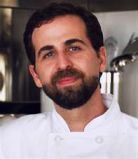
Without pushing an agenda (okay, maybe I've pushed a bit), I've spread a little veganism wherever I've gone. I've become friends with chefs at the meatiest restaurants you can imagine, and shown them a few things that opened their minds (and their menus) to vegan options. It's easy to be convincing when the food is delicious. It doesn't feel like a sacrifice--it feels like a step up.
- Tal Ronnen, vegan chef and author
Veg Spotlight
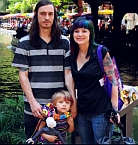
Jordan, Tiffany and Emery - EVEN Supporters and Advocates
Veg Wisdom
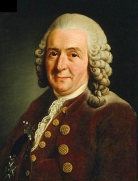
Man's structure, external and internal, compared with that of other animals shows that fruit and succulent vegetables constitute his natural food. - Carolus Linnaeus, (1707 - 1778), Medical Doctor and Botanist
Veg Wisdom
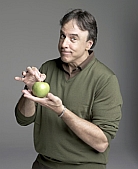
There are so many vegetarian foods now that are available at the market. The same with drive-throughs. Now, a lot of them serve veggie burgers just like the restaurants are doing. So, it's really very easy. - Kevin Nealon, when asked about being vegan.
Veg Wisdom
If you have men who will exclude any of God's creatures from the shelter of compassion and pity, you will have men who will deal likewise with their fellow men. - St. Francis of Assisi

Veg Wisdom
The low-carb trend has sort of died on the vine. - Bob Goldin, Executive VP, Technomic, food industry consulting firm, Chicago
Veg Wisdom
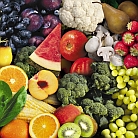
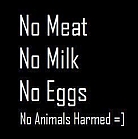
I eat everything that nature voluntarily gives: fruits, vegetables, and the products of plants. But I ask you to spare me what animals are forced to surrender: meat, milk, and cheese. - Unknown
Veg Wisdom
No one needs meat for health.
- Dr. Jay Gordon, MD, FAAP

Going Veg > How to Go Veg > What to Eat
Vegan Food Pyramid
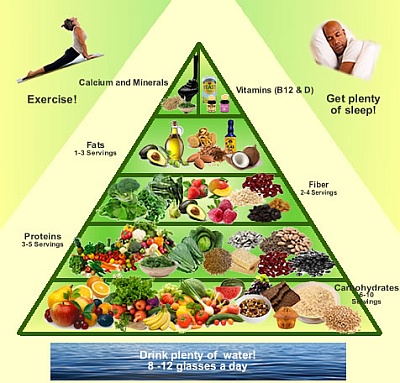
Click HERE for a summary
vegan food infographic
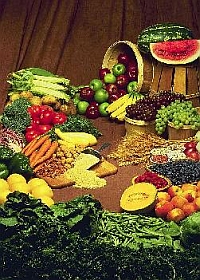
Veganism is not a diet of deprivation. (Those who would like you to think it is, simply have a vested interest in keeping you sick and/or fat.)
Actually, veganism is a lifestyle of great abundance!
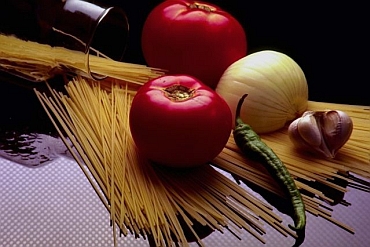
If you want to get a bigger nutritional bang for your caloric buck, remember:
- to try to eat food as close to its original, natural state as possible. (That is what is meant by the term "whole food"---the food is whole: in its original state and unprocessed.)
- to eat about 65-75% of your food raw (uncooked).
- Organic is best
- Local buying is strongly favored
- to think High-Fiber, Low Fat
- Eat with Peace of Mind and Gratitude
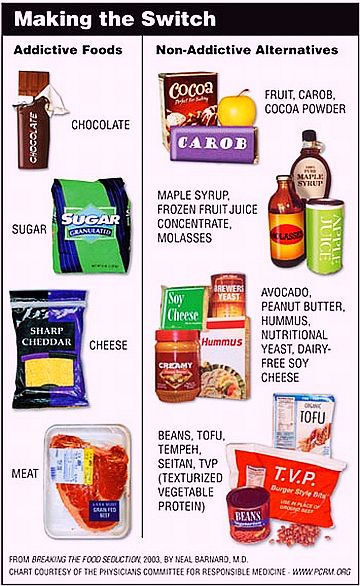
With that in mind, here is a partial list of some glorious and nutritious whole foods!
 adzuki beans---all and any beans---all berries---almonds (best) ---any whole grains---apples---apricots---arugula---asian pears---asparagus---avocadoes---bananas---barley---bell peppers---black beans---blackberries---black-eyed peas---blueberries---bok choy---brazil nuts---broccoli---brown rice---brussel prouts---bulgur---cabbage (red and green)---cantelopes---carrots---casabas---cashews---cauliflower---celery---celery seeds---chickpeas (garbanzo beans)---chile peppers---corn---
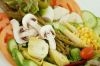 cranberries---cucumbers---dates---edamame---eggplant---endive---fava beans---figs---filberts---flaxseed---garlic---grapefruit---grapes---green beans---green cabbage---honeydews---hot peppers---jalapeno peppers---kale---kale---kamut---kidney beans---kiwi---leeks---lemons---lentils---lettuce---Lima beans---limes---macadamias---mandarin oranges---mangoes---mesclun mix---millet---mungbeans---napa cabbage---navy beans---nectarines---oats---oatmeal---olives---onions---oranges---papayas---parsley---peaches---peanuts---pears---peas---pecans---persimmons---pineapples---pinto beans---pistachios---plums---poblano peppers---pomegranates---poppy seeds---whole grain porridge---potatoes---prunes---pumpkin seeds---quince---quinoa---
 radicchio---raisins---red beans---red cabbage---rice(brown, basmati, pilaf)---scallions---serrano peppers---sesame seeds---shallots---split peas---snap peas---soybeans---spelt---spinach---spinach---sprouts---squash---star fruit---strawberries---string beans---sunflower seeds---sweet potatoes---swiss chard---tomatoes---turnips---walnuts---water chestnuts---watermelon---wheat---wheat germ---white beans---yams---zucchini---and there are tons of herbs to spice up every dish to your liking!
If you were to design a salad of your choice with the above ingredients, there are enough items listed, that you would never have to have the same salad twice!
Combine those foods with this partial list of vegan foods which, although processed and no longer "whole", still have redeeming nutritional value:
tofu---tempeh---tvp (texturized vegetable protein)---seitan---whole wheat pastas, whole wheat breads, pita breads, tortillas and wraps---soups---vegetable stirfries---stews---deli-slices, soy dogs, soy sausages---veggie burgers---baked beans---roasted garlic potatoes---coucous---tofu pate---hummus---salsa---whole grain cereals with rice or soy or oat or almond milk---nut butters---apple sauce---natural fruit jams.
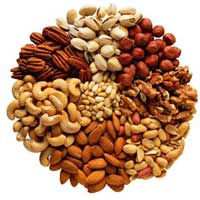 There are tons of packaged vegan snacks which can be enjoyed in moderation. A food can be vegan, but still be swimming in fats, sodium, sugar and other junk. Be wary of those who tout packaged, processed foods. It's not the healthful choice---for a vegan or for anyone else for that matter. Read ingredients labels, and try to buy snacks that have as few ingredients as possible.
pretzels---potato chips (or make your own!)---crackers---vegan puddings, cakes, pies, cookies, or box mixes for same---air-popped popcorn---soy ice cream---corn chips.
The lists are endless, as you will soon discover, when you venture into Veganland. As we said, it's abundance, not deprivation, we're talking about here. Not only will the transition be painless for you, it also means less pain for the animals and the earth.
Though tempting, it's best to not live on snacks, and keep in mind that the best and most important part of each meal is that which is fresh, live and prepared by your own hands.
Check our Recipes section for numerous excellent combinations of all the above foods whipped into the tastiest dishes you can imagine. You'll wonder why you didn't enjoy Vegan sooner!
Also see this handy Vegan Food Guide.
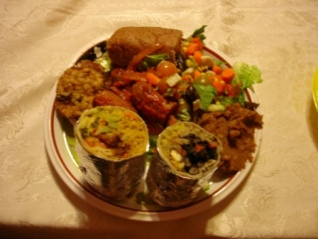
Sample Plate
from EVEN's Appreciation Potluck
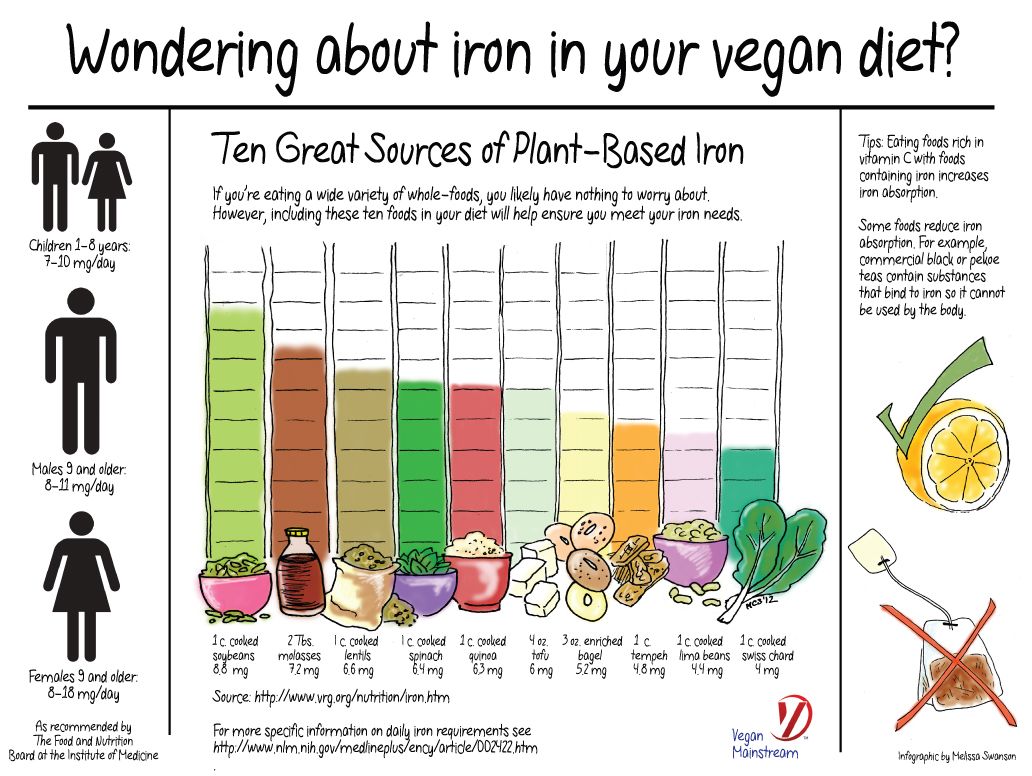
Wondering About Iron in Your Vegan Diet?
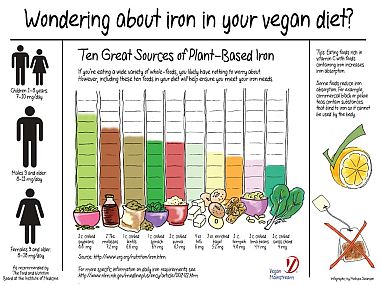
Click HERE to see full size
Vegan Diets in a Nutshell
What is a Vegan?
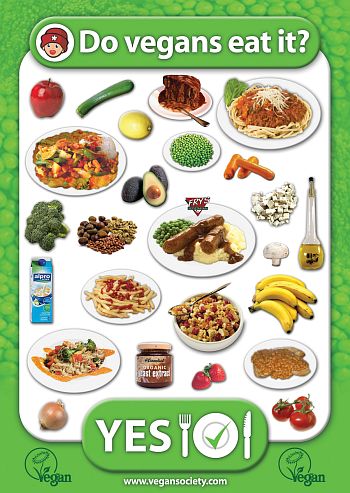
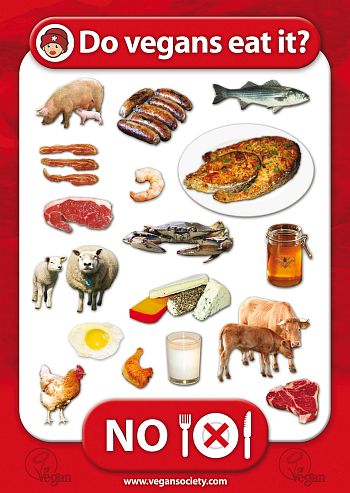
Vegetarians do not eat meat, fish, or poultry. Vegans, in addition to being vegetarian, do not use other animal products and by-products such as eggs, dairy products, honey, leather, fur, silk, wool, and cosmetics and soaps derived from animal products.
Why Veganism?
People choose to be vegan for health, environmental, and/or ethical reasons. For example, some vegans feel that one promotes the meat industry by consuming eggs and dairy products. That is, once dairy cows or egg laying chickens are too old to be productive, they are often sold as meat. Some people avoid these items because of conditions associated with their production.
Many vegans chose this lifestyle in order to promote a more humane and caring world. They know they are not perfect, but believe they have a responsibility to try to do their best, while not being judgmental of others.
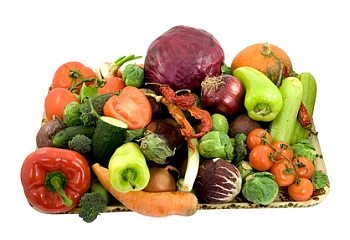
Common Vegan Foods
Oatmeal, stir-fried vegetables, cereal, toast, orange juice, peanut butter on whole wheat bread, frozen fruit desserts, lentil soup, salad bar items like chickpeas and three bean salad, dates, apples, macaroni, fruit smoothies, popcorn, spaghetti, vegetarian baked beans, guacamole, chili...
Vegans Also Eat
Tofu lasagna, homemade pancakes without eggs, hummus, eggless cookies, soy ice cream, tempeh, corn chowder, soy yogurt, rice pudding, fava beans, banana muffins, spinach pies, oat nut burgers, seitan, corn fritters, French toast made with soy milk, soy hot dogs, vegetable burgers, pumpkin casserole, scrambled tofu, falafel...
When Eating Out Try These Foods
Pizza without cheese, Chinese moo shu vegetables, Indian curries and dahl, eggplant dishes without the cheese, bean tacos without the lard and cheese (available from Taco Bell and other Mexican restaurants), Middle Eastern hummus and tabouli, Ethiopian injera (flat bread) and lentil stew, Thai vegetable curries...
Egg and Dairy Replacers
AS A BINDER SUBSTITUTE FOR EACH EGG:
- 1/4 cup (2 ounces) soft tofu blended with the liquid ingredients of the recipe
- 1 small banana, mashed
- 1/4 cup applesauce
- 2 tablespoons cornstarch or arrowroot starch
- Ener-G Egg Replacer or another commercial mix found in health food stores.
DAIRY SUBSTITUTES:
Soy milk, rice milk, potato milk, nut milk, or water (in some recipes) may be used.
Buttermilk can be replaced with soured soy or rice milk. For each cup of buttermilk, use 1 cup of soy milk plus 1 tablespoon of vinegar.
Soy cheese available in health food stores. (Be aware that many soy cheeses contain casein, which is a dairy product.)
Crumbled tofu can be substituted for cottage cheese or ricotta cheese in lasagna and similar dishes.
Several brands of nondairy cream cheese are available in supermarkets and kosher stores.
Vegan Nutrition
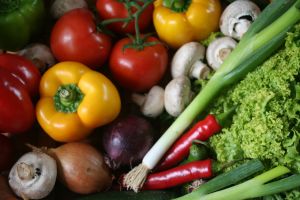
The key to a nutritionally sound vegan diet is variety. A healthy and varied vegan diet includes fruits, vegetables, plenty of leafy greens, whole grain products, nuts, seeds, and legumes.
Protein
It is very easy for a vegan diet to meet the recommendations for protein as long as calorie intake is adequate. Strict protein planning or combining is not necessary. The key is to eat a varied diet.
Almost all foods except for alcohol, sugar, and fats provide some protein. Vegan sources include: lentils, chickpeas, tofu, peas, peanut butter, soy milk, almonds, spinach, rice, whole wheat bread, potatoes, broccoli, and kale.
For example, if part of a day's menu included the following foods, you would meet the Recommended Dietary Allowance (RDA) for protein for an adult male:
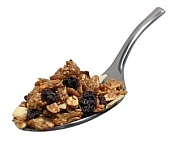
- 1 cup oatmeal, 1 cup soy milk,
- 2 slices whole wheat bread, 1 bagel,
- 2 Tablespoons peanut butter,
- 1 cup vegetarian baked beans,
- 5 ounces tofu, 2 Tablespoons almonds,
- 1 cup broccoli and 1 cup brown rice
Fat
Vegan diets are free of cholesterol and are generally low in saturated fat. Thus eating a vegan diet makes it easy to conform to recommendations given to reduce the risk of major chronic diseases such as heart disease and cancer. High-fat foods, which should be used sparingly, include oils, margarine, nuts, nut butters, seed butters, avocado, and coconut.
Vitamin D
Vitamin D is not found in the vegan diet but can be made by humans following exposure to sunlight. At least ten to fifteen minutes of summer sun on hands and face two to three times a week is recommended for adults so that vitamin D production can occur. Food sources of vitamin D included vitamin D-fortified orange juice and vitamin D-fortified soy milk and rice milk.
Calcium
Calcium, needed for strong bones, is found in dark green leafy vegetables, tofu made with calcium sulfate, calcium-fortified soy milk and orange juice, and many other foods commonly eaten by vegans. Although lower animal protein intake may reduce calcium losses, there is currently not enough evidence to suggest that vegan have lower calcium needs. Vegans should eat foods that are high in calcium and/or use a calcium supplement.
Calcium Content of Selected Foods
Soy or rice milk, commercial, calcium-fortified, plain - 8 oz. 200-300 mg
Collard greens - 1 cup 357 mg
Blackstrap molasses - 2 TB 400 mg
Tofu, processed with calcium sulfate - 4 oz. 200-330 mg
Calcium-fortified orange juice - 8 oz. 300 mg
Tofu, processed with nigari - 4 oz. 80-230 mg
Kale, cooked - 1 cup 179 mg
Tahini - 2 TB 128 mg
Almonds - 1/4 cup 89 mg
Other good sources of calcium include: okra, turnip greens, soybeans, tempeh, almond butter, broccoli, bok choy, and calcium-fortified soy yogurt.
The recommended intake for calcium for adults 19 through 50 years is 1000 milligrams/day.
Note: It appears that oxalic acid, which is found in spinach, rhubarb, chard, and beet greens, binds with calcium and reduces calcium absorption. Calcium is well absorbed from other dark green vegetables.
 Zinc
Zinc
Vegan diets can provide zinc at levels close to or even higher than the RDA. Zinc is found in grains, legumes and nuts.
Iron
Dried beans and dark green leafy vegetables are especially good sources of iron, better on a per calorie basis than meat. Iron absorption is increased markedly by eating foods containing vitamin C along with foods containing iron.
Sources of Iron
Soybeans, lentils, blackstrap molasses, kidney beans, chickpeas, black-eyed peas, Swiss chard, tempeh, black beans, prune juice, beet greens, tahini, peas, bulghur, bok choy, raisins, watermelon, millet, kale...
Omega-3 Fatty Acids
In order to maximize production of DHA and EPA (omega-3 fatty acids), vegans should include good sources of alpha-linolenic acid in their diet such as flaxseed, flaxseed oil, canola oil, tofu, soybeans, and walnuts.
Vitamin B12
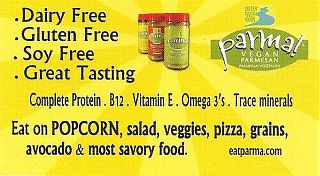
The requirement for vitamin B12 is very low but it is an essential nutrient. It is especially important for pregnant and lactating women, infants, and children to have reliable sources of vitamin B12 in their diets. Non-animal sources include cereals, soy milk, rice milk, and meat analogues that have been fortified with vitamin B12. Also, around two teaspoons of Red Star nutritional yeast T6635, often labeled as Vegetarian Support Formula, supplies the adult RDA.
Read labels carefully or contact companies since fortification levels can change. Vitamin B12 supplements are another option. There are supplements which do not contain animal products. Claims of a high vitamin B12 content in fermented soyfoods (miso and tempeh) and for sea vegetables and spirulina are unfounded. Unless fortified, no plant food contains significant amounts of active vitamin B12.
Copyrighted by The Vegetarian Resource Group 2006
Box 1463, Baltimore, MD 21203
410-366-8343
www.vrg.org
Pomology
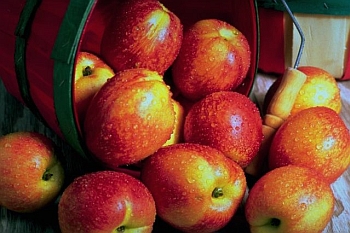
Did you know that...
- the science of growing apples is called pomology?
- it takes energy from 50 leaves to produce one apple?
- there are 7500 varieties of apples on the planet, making them the most varied food on earth?
- apple juice was one of the earliest prescribed antidepressants?
 - apples ripen 6-10 times faster at room temperature than in the fridge?
- one apple provides as much dietary fiber as a serving of bran cereal (about 1/5 the RDA)?
- eating an apple cleans the teeth and massages the gums, removing more bacteria than two, three-minute brushings followed by a gargle? Imagine that!
- More good news is that a medium-sized apple has only 80 calories, 5 grams of fiber, no fat, no cholesterol and no sodium. And scientists have proven that apple eaters have fewer headaches, intestinal disorders, colds, respiratory problems and illness associated with the nervous system. Wow! Apples love you a bushel and a peck.
Check out The Marketplace for more ideas.
** The information on this website should not be substituted for, or used to alter, medical therapy without your doctor's advice. For a specific health problem, consult your healthcare professional for guidance.