Resources
EVEN

Non-violence
Compassion
Sustainability
All Life is
Interconnected
Eugene Veg Education Network (EVEN) - serving as a vegan resource since 2005

Veg Wisdom
But I can have an even bigger impact on creating a habitable world simply
by what I put on my plate. - Rev. Gary Kowalski
 Read EVEN's exclusive interview with Gary >> Here.
Veg Spotlight

Angela - EVEN Donor, Supporter and Volunteer
Veg Spotlight

If you look at the rest of the animal kingdom, you'll quickly notice that the largest and strongest animals on earth are mostly herbivores: all types of cattle and bison, elks, moose, elephants, gorillas, hippos, etc. Clearly, there is no reason that eating meat should be considered the only way to be strong. - Dan Piraro
Read EVEN's exclusive interview with Dan Here.
Veg Wisdom
In all things of nature, there is something of the marvelous. - Aristotle (384-322 BC)

Veg Wisdom
We consume the carcasses of creatures of like appetites, passions and organs with our own, and fill the slaughterhouses daily with screams of pain and fear. - Robert Louis Stevenson

Veg Wisdom
I am a human, environmental, and animal rights activist....I was so sad from losing two of my dogs. I had this vision of all these animals sitting behind bars. They had no control and were scared. That's why I got into fostering and adopting animals out. - Linda Blair, Actress

Edu-Stat
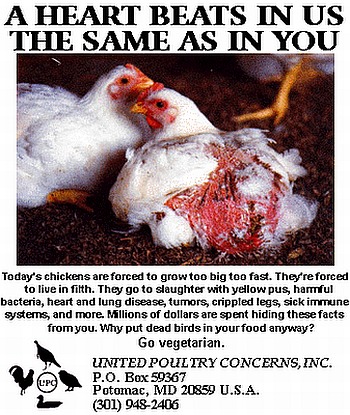
Hens used for eggs live 6 or 7 to a battery cage the size of a file drawer, thousands of which are stacked tier upon tier in huge, filthy warehouses. - Source: United Poultry Concerns
Veg Wisdom
There is nothing more frightful than ignorance in action. - Johann Wolfgang von Goethe

Veg Wisdom
I looked at the piece of animal on my plate, and it symbolized fear, pain, and death. I stopped eating it. - Dr. Jane Goodall, British Primatologist (1934 - )

Edu-Stat
Veg Wisdom
How do we know that we have a right to kill creatures that we are so little above, as dogs, for our curiosity or even for some use to us? - Alexander Pope (1688-1744)

Veg Wisdom
Man must get his thoughts, words and actions out of this vast
moral jungle. We are not predators. We are, hopefully, more than
instinctive killers and selfish brutes. Why take such a dim view of
our potentials and capabilities? - H. Jay Dinshah

Veg Wisdom
Poor animals! How jealously they guard their pathetic bodies ... that which to us is merely an evening's meal, but to them is life itself.
- T. Casey Brennan
(1948 - )
Edu-Stat
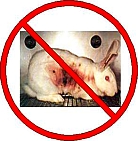
An irritating product can make the skin red raw, which is obviously very painful. Rabbits are usually used for this test. At the end of the test they are killed. - Choose Cruelty Free
EVEN Featured In:
~ Vegan Voices
(Beyond Joy)
~ Health Science Magazine (Member Spotlight)
~ Boomer News Interview (NW Boomer and Senior News)
~ 24 Carrot Award (Vegetarians in Paradise)
~ Vegan Awareness Year (Mayoral Proclamation, City of Eugene)
~ American Vegan Magazine (American Vegan Society)
~ Volunteer of the Year (United Way)
Veg Spotlight

Thoughtlessly, we kill animals, cut them up, and consume them. It shouldn't be surprising that there's something equally violent and thoughtless about the way we cut ourselves up in the hope of curing ourselves of the diseases caused by eating animals. - Howard Lyman
Read EVEN's exclusive interview with Howard HERE.
Veg Wisdom
We have enslaved the rest of the animal creation, and have treated our distant cousins in fur and feathers so badly that beyond doubt, if they were able to formulate a religion, they would depict the Devil in human form. - William Ralph Inge

Veg Wisdom
For me, going vegan was an ethical and environmental decision. I'm doing the right thing by the animals. - Alexandra Paul, actress

Veg Wisdom
No one can deny seriously, or for very long, that men do all they can in order to dissimulate this cruelty or to hide it from themselves, in order to organize on a global scale the forgetting or misunderstanding of this violence that some would compare to the worst cases of genocide. - Jacques Derrida, French philosopher (1930 - 2004), on factory farming.

Veg Wisdom
It is a sobering thought that animals could do without man, yet man would find it almost impossible to do without animals. - Ruth Harrison (1920 -2000)

Edu-Stat
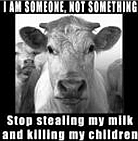
Cattle are castrated, their horns are ripped out of their heads, and third-degree burns (branding) are inflicted on them, all without any pain relief.
Veg Wisdom
To inflict cruelties on defenceless creatures, or condone such acts, is to abuse one of the cardinal tenets of a civilized society---reverence for life. - Jon Evans (1917- )

Veg Wisdom
In my opinion, most research utilizing animals is merely subsidized sadism masquerading as 'science'. - Mary T. Hoffman,
all-creatures.org

Veg Wisdom
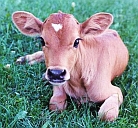
Animals are reliable, many full of love, true in their affections, predictable in their actions, grateful and loyal. Difficult standards for people to live up to. - Alfred A. Montapert



Resources > Veg Facts
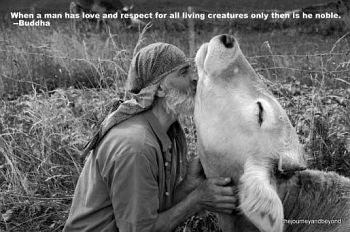
 Until we have the courage to recognize cruelty for what it is - whether its victim is human or animal - we cannot expect things to be much better in this world... We cannot have peace among men whose hearts delight in killing any living creature. By every act that glorifies or even tolerates such moronic delight in killing we set back the progress of humanity. - Rachel Carson


- Roughly 70 percent of the grain grown in the United States is consumed by livestock.
- More than a third of all raw materials and fossil fuels consumed in the U.S. are used in animal production.
- The Audubon Society reports that the meat industry uses almost half of the water consumed in the United States.
- According to the journal Science, a two-acre salmon farm produces as much waste as a town of 10,000 people.
- Aquaculture farms dump waste as well as pesticides and other chemicals directly into ecologically fragile coastal waters. Local ecosystems are destroyed, leaving animals and plants devastated.
Source: Compassion Over Killing

Protect Health. Protect Life. All Life is Interconnected. Go Vegan.
Veg Facts
Chickens have individual personalities, distinctive identities, and unique ways of expressing themselves. Native to the forests of India and Southeast Asia, factory-farmed chickens never feel the sun or soft grass or see the sky overhead. They never know the comfort of a mother hen's wing or the pleasure of parenting their chicks. 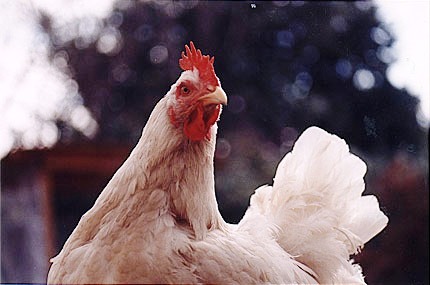 Every day in the United States and the world, tens of millions of chickens are raised in filth and misery and are brutally slaughtered. They go to slaughter sick, crippled, and filled with diseases that get passed to consumers---Salmonella, Campylobacter, Listeria, Avian Influenza, Arthritis, and more. Chicken is Not a health food.
 United Poultry Concerns works to relieve the suffering of chickens, turkey and other domestic fowl and to teach people about these wonderful birds. Chickens have voices. We are their voice. Visit United Poultry Concerns
~~~~~~~~~~~~~~~~~~~~~~~~~~~~~~~~~~~~
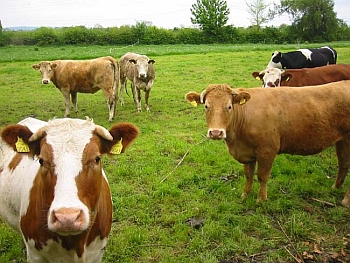
Human beings who could be fed by the grain and soybeans eaten by US livestock: 1,400,000,000 (1.4 billion)
~~~~~~~~~~~~~~~~~~~~~~~~~~~~~~~~~~~~
Number of people whose food energy needs can be met by the food produced on 2.5 acres of land:
If the land is producing cabbage: 23 people
If the land is producing potatoes: 22 people
If the land is producing rice: 19 people
If the land is producing corn: 17 people
If the land is producing wheat: 15 people
If the land is producing chicken: 2 people
If the land is producing milk: 2 people
If the land is producing eggs: 1 person
If the land is producing beef: 1 person
~~~~~~~~~~~~~~~~~~~~~~~~~~~~~~~~~~~~
Grain needed to adequately feed every one of the people on the entire planet who die of hunger and hunger-caused disease annually: 12 million tons
Amount Americans would have to reduce their beef consumption to save 12 millions tons of grain: 10%
~~~~~~~~~~~~~~~~~~~~~~~~~~~~~~~~~~~~
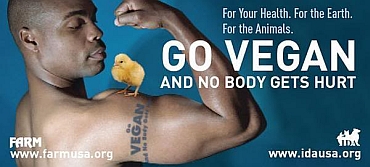
Number of species of birds in one square mile of Amazon Rainforest: More than exist in all of North America
Life forms destroyed in the production of each fast-food hamburger made from Rainforest beef: Members of 20 to 30 different plant species, 100 different insect species, and dozens of bird, mammal, and reptile species

Number of acres of Rainforest felled every year in South and Central America to create pasture for cattle: 5 million acres
~~~~~~~~~~~~~~~~~~~~~~~~~~~~~~~~~~~~
 Amount spent annually in US to treat cardiovascular disease: $135 Billion
Most common cause of death in US: Heart Disease
Risk of death from heart attack for the average American man: 50%
Risk of death from heart attack for the average American man who consumes no meat, dairy products or eggs: 4%
~~~~~~~~~~~~~~~~~~~~~~~~~~~~~~~~~~~~
 Dietary cholesterol intake needed to support human health: None --- the body makes its own.
Leading sources of saturated fat and cholesterol in American diets: Meat, poultry and dairy products
Cholesterol found in all grains, legumes, fruits, vegetables, nuts, seeds: None
~~~~~~~~~~~~~~~~~~~~~~~~~~~~~~~~~~~~
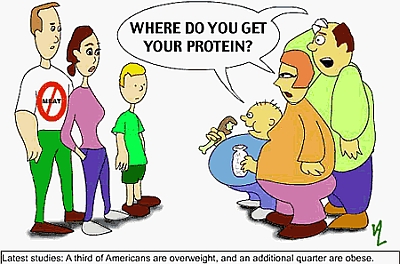
The Protein Myth:
Recommendations of the amount of daily calories to be provided by protein according to:
World Health Organization of the United Nations: 4.5%
Food & Nutrition Board of the USDA: 6%
National Research Council: 8%
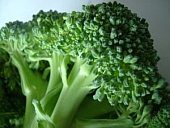 Percent of calories as protein in:
Broccoli: 47%
Lettuce: 34%
Zucchini: 28%
Tomatoes: 18%
Wheat: 17%
Potatoes: 11%
Brown Rice: 8%

Robert Cheeke - EVEN Supporter, Member and Vegan Bodybuilder
Health status of pure vegetarians from many populations of the world according to the Food and Nutrition Board of the National Academy of Sciences: Excellent
~~~~~~~~~~~~~~~~~~~~~~~~~~~~~~~~~~~~
Production of excrement by US livestock: 230,000 lbs. per second
The manure produced by farm animals in the U.S. as compared to all the country's human inhabitants: 10 times
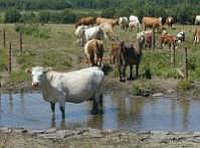 ** Where human excrement is processed before returning it to Nature... livestock excrement is not. It ultimately finds its way into rivers and streams and groundwater.
Water pollution attributable to US agriculture, including runoff of soil, pesticides and manure: Greater than all municipal and industrial sources combined
Amount of wells and surface streams in US contaminated by agricultural pollutants: Half
The greatest threat to humanity in the 21st century: Our diminishing supply of fresh water - About 80 nations in the world are already experiencing water shortages.
The amount of water needed to produce:
Potatoes: 60 gal/pound
Wheat: 108 gal/pound
Corn: 168 gal/pound
Rice: 229 gal/pound
Soybeans: 240 gal/pound
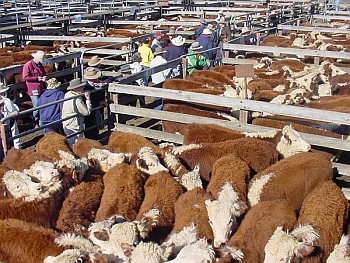
Beef: 12,009 gal/pound
We can take a year's worth of showers and consume less water than is used in the production of 1 pound of beef!
~~~~~~~~~~~~~~~~~~~~~~~~~~~~~~~~~~~~
Amount of all diseases in the US that are diet related: 68%
Diseases that can be commonly prevented, consistently improved, and sometimes cured by observing a low-fat diet free from animal products:
Arthritis, Breast Cancer, Constipation, Diverticulosis, Heart Disease, Hypoglycemia, Kidney Disease, Osteoporosis, Prostate Cancer, Strokes, Asthma, Colon Cancer, Diabetes, Gallstones, Hypertension, Impotence, Obesity, Peptic Ulcers, Salmonellosis, Trichinosis.

~~~~~~~~~~~~~~~~~~~~~~~~~~~~~~~~~~~~
Source: Diet for a New America and The Food Revolution, both by John Robbins. Reprinted by permission.

A Compassionate World Begins With You
Source: Farm Sanctuary

Animals in Agriculture
- in 2001, nearly 10 billion land animals were slaughtered for food in the US, including:
* 9.3 billion chickens
* 309 million turkeys
* 27.7 million ducks
* 41.6 million cattle/calves
* 118 million pigs
* 4.2 million sheep/lambs
- More than half of all deaths in the US in 2001 were attributed to diseases for which consumption of meat is a major risk factor.
- The per capita consumption of meat in the US in now 209 pounds annually, up from 196 pounds in 1980.
- Eighty percent of the grain grown and more than half of the antibiotics manufactured in the US are fed to livestock.
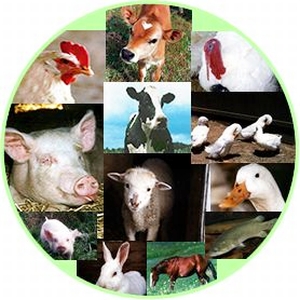
- Chickens and other birds are not protected by the US Humane Slaughter Act.
- Animals raised for human consumption in the US generate 2.2 trillion pounds of waste each year.
- E-coli OI57:H7---a meat-borne pathogen---is responsible for approximately 73,000 cases of infection and 60deaths in the US each year.
 Companion Animals
- In 2001, 58% of US homes had companion animals.
- Every year, approximately one million dogs and 584,000 cats are taken in as strays. Only 16% of these dogs and 2% of cats are returned to their caregivers.
- Between 7-10 million cats and dogs are euthanized in shelters annually.
- Guardians of companion dogs and cats in the US spend approximately $18 billion on their animals each year.
- A cat can have her first litter when she is just five months old.
- There are an estimated 50 million feral and homeless cats in the US
- US taxpayers spend over $1 billion annually to collect, house, destroy, and dispose of unwanted animals.
- Studies show that interacting with companion animals may speed recovery from illness, reduce stress, and aid family bonding.

Wildlife
- Nearly 20 million taxpayer dollars fund the trapping, poisoning, and shooting of native predators deemed a threat to agriculture fy the USDA Wildlife Services agency, which each year kills approximately 100,000 coyotes, bobcats, foxes, bears, wolves, and other predators. In 2001, the program also killed 1.6 million other "nuisance" animals.
- Almost 2/3 of all large mammal species is threatened or endangered I the lower 48 states. Less than 10% of all endangered and threatened species in the US are improving.
- About 20% of all endangered and threatened species are harmed by grazing.
- The illegal international trade in wildlife is estimated to be worth $5 billion annually.
Hunting/Trapping
- While fewer than 6% of Americans hunt, 31% participate in some type of nonconsumptive wildlife-related recreation. Nonconsumptive wildlife watchers spend about $38 billion each year.
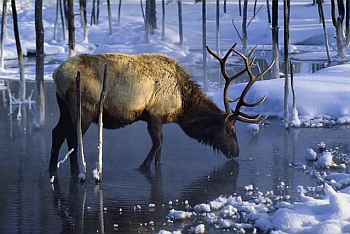
- Hunters kill approximately 134 million animals in the US each year, including:
* 25 million mourning doves
* 26 million squirrels
* 16 million ducks
* 13 million rabbits
* 6 million deer
* 3 million geese
* 3 million raccoons
- Songbirds can remember, and repeat, as many as 2,000 different songs.
- As many as half of deer struck with arrows by bow hunters are left to die in the woods.
- Polls show that 88% of Americans believe that wildlife and habitat preservation should be the highest priority of the National Wildlife Refuge System.
- Trapping and/or hunting are allowed on more than half of the 540 US National Wildlife Refuges.
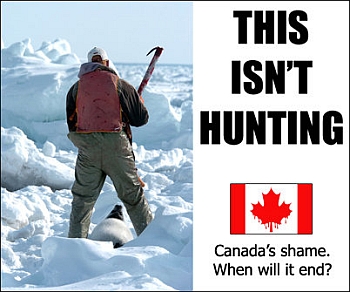
- According to the US Fish & Wildlife Service, of 27 million people who visited refuges, 22 million came for wildlife observation, while only 1.2 million visited to hunt or trap animals.
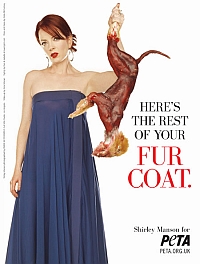 Fur
Fur
- Worldwide, 36 million animals are killed on fur farms each year.
- 85% of the fur industry's skins come from animals kept captive and slaughtered on fur farms.
- No US federal laws regulate how animals on fur farms are housed, cared for, or killed.
- As many as 85% of the animals in fur farms develop psychological and behavioral abnormalities from captivity.
- Approximately 90% of today's farm-raised fox is used for fur trim.
- Between 4 and 5 million animals are trapped and killed annually in the US for the commercial fur trade.
- By more than a four-to-one margin, US consumers prefer to shop at stores that do not sell fur, and 77% of Americans polled think fur production is unacceptable.
- To make an average-length fur coat requires the skins of 16 coyotes, or 15 bobcats, or 60 minks, or 20 badgers, or 15 otters, or 18 red foxes, or 30 raccoons, or 40 sables, or 11 silver foxes, or 50 muskrats, or 15 beavers, or 100 chinchillas, or 30 rabbits.

Marine Life
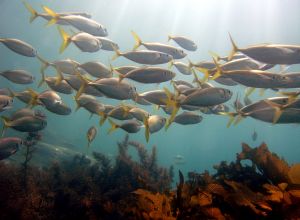
- An estimated 70% of global fish stocks are "overexploited," "fully exploited," "deleted," or recovering from prior over-exploitation.
- Research indicates that as many as 60% of caught-and-released fish die from their injuries within 10 days of release.
- Industrial innovations permit fishers to scoop 80-90% of a given fish population from the ocean in any one year.
- For every fish, crustacean, or mollusk caught for food, several other sea creatures are killed in the process.
- For every pound of shrimp sold, more than 20 pounds of other animals are caught.
- Seahorses mate for life---when a partner is lost it is unlikely that the remaining mate will ever find a new partner.
- Longline fishing, used to catch swordfish, tuna, and other species, may be 80 miles long and carry several thousand baited hooks at a time. Each year, longlines catch and kill hundreds of thousands of other animals, including sharks and birds.
- Shrimp farms are the primary cause of the destruction of the world's mangrove forests.
Exotic Animals
- Private possession inflicts suffering on exotic "pets," including an estimated 60 million birds, 7.3 million reptiles, and 50,000 large mammals in the US.
- Since 1990, captive felines have caused the death of 75 people.
- As many as 800,000 parrot chicks are taken from the wild each year.
- In the wild, some species of exotic birds have a life expectancy of 70 years.
- More than a million birds are imported into the European Union annually.
- Wild parrots spend nearly 90% of their time preening their partners and foraging for food. Deprived of these activities in captivity, they often suffer intense depression.
- In 2002, 20,000 prairie dogs were pulled from the ground in Texas and put up for sale as "pets."
- Prairie dog populations have declined by more than 90% across their historical range.
Science
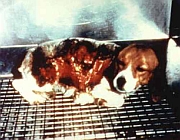 - Each year, an estimated 28 million animals in the US are used in research, testing, and education, including:
* 70,000 dogs
* 23,000 cats
* 54,000 non-human primates
* 266,000 guinea pigs
* 201,000 hamsters
* 280,000 rabbits
* 155,000 farm animals, including cattle, sheep and pigs
* 165,000 others, such as gerbils, ferrets, and minks
* approximately 20-25 million rats and mice
Oh, shame on the mothers of mortals
Who have not stooped to teach
Of the sorrow that lies in dear, dumb eyes,
The sorrow that has no speech.
- Ella Wheeler Wilcox (1850 - 1919), Kinship
- A recent study indicated that when 26 substances known to cause cancer in humans were tested on rats or mice, only 12 caused cancer. Since the probability of these tests finding known human carcinogens is less than 50%, tossing a coin could have been more accurate.
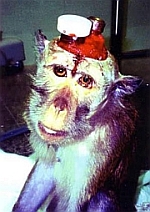 - The US Animal Welfare Act regulates the possession of warm-blooded animals, but does not protect reptiles, birds, rats, and mice used for research purposes, or animals used for agricultural purposes.
- Although there are hundreds of alternatives are available, 2 million animals are killed and dissected in US classrooms each year.
- Human and chimpanzee brains are remarkably similar in circuitry, and the genes of humans and chimpanzees are 98.4% identical.
Animals in Entertainment
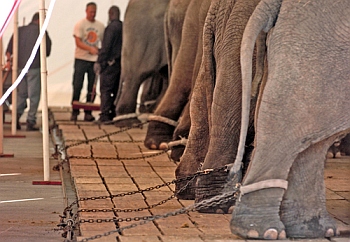
- Tens of thousands of animals in the US are forced to perform in circuses and marine parks or held captive in zoos.
- Since 1994, 30 elephants have died prematurely in circuses, in part as a result of stress and abuse.
- Performing elephants have caused 65 human deaths worldwide since 1990.
- In rodeos, calves may be roped while running as fast as 27 miles per hour, resulting in neck and back injuries, broken bones, and even paralysis and death.
- Thousands of greyhounds are killed each year when they become too old to be used in racing.
- Captive elephants have been known to unscrew bolts to dismantle their cages.
Animal Abuse
- People who abuse animals are five times more likely to commit violent crimes, and four times more likely to commit property offenses.
- In a 1999 Decision Research poll, 74% agreed that an animal's right to live free of suffering should be just as important as a person's right to live free or suffering.
- The first animal cruelty law in the US was passed in Massachusetts in 1835; now, every state has a law protecting animals from abuse.
- 48 US states have outlawed cockfighting; it is legal only in Louisiana and a few counties in New Mexico. [Note: Louisiana in 2007 is now the last state standing in legal cockfighting.]
- In the US, 37 states and the District of Columbia have felony-level penalties for some types of animal cruelty.
Source: Animal Protection Institute